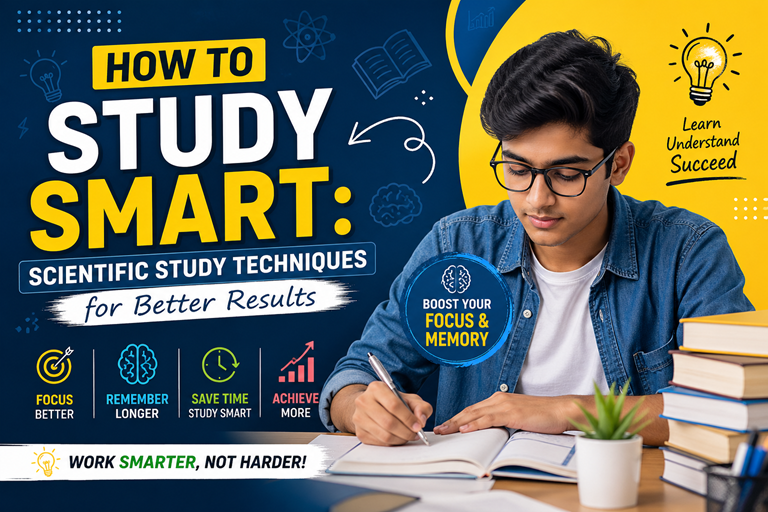
In today’s competitive academic environment, simply spending long hours studying is not enough. Many students work hard but still struggle to remember concepts or score well in exams. The real difference lies in how you study, not how much you study.
Learning to study smart using scientific techniques can help you improve memory, increase focus, and achieve better results with less effort.
In this guide, you’ll discover proven strategies that top-performing students use to learn faster, retain information longer, and reduce exam stress.


Many students follow outdated methods like rereading notes or memorizing without understanding. These approaches often lead to:
👉 The solution is to adopt scientific study methods that align with how the brain learns best.
Smart study means using effective, research-based techniques that help your brain absorb, process, and retain information efficiently.
Instead of passive learning, smart study focuses on:


Instead of just reading, engage with the material by:
👉 This improves understanding and retention.
Review information at increasing intervals:
👉 This strengthens long-term memory and reduces forgetting.
Study in focused intervals:
👉 This keeps your mind fresh and improves concentration.
Create visual diagrams to connect ideas:
👉 This makes learning faster and more engaging.


To boost your memory:
👉 These methods help convert short-term learning into long-term memory.


Focus is essential for effective learning. Here’s how to improve it:
👉 Better focus = better results in less time.


Exam stress is common, but it can be managed:
👉 A calm mind performs better during exams.
Smart study is not about working harder — it’s about working smarter. By applying scientific techniques like active learning, spaced repetition, and focused study sessions, you can transform your learning process.
👉 Start using these methods today and take control of your academic success.
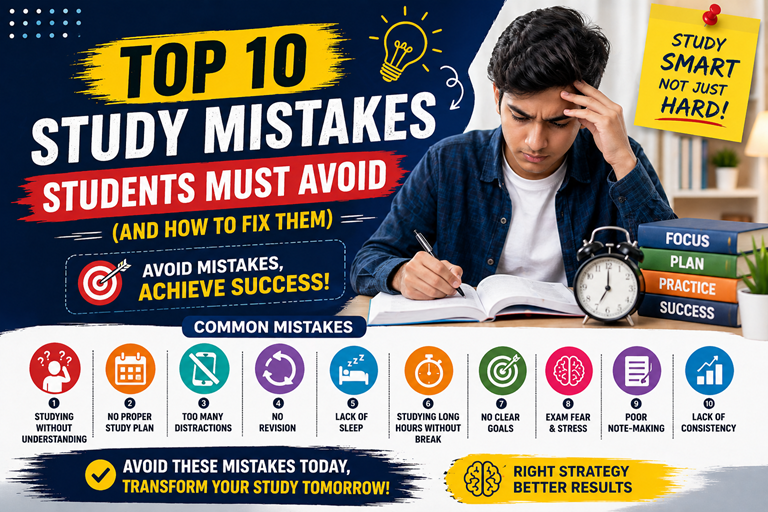
📘 Brief DescriptionMany students work hard but still don’t get the results they expect. The reason...
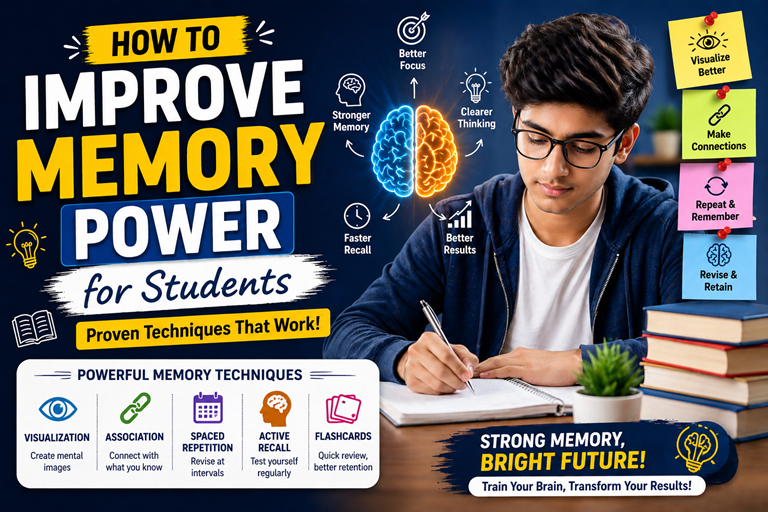
Brief DescriptionStruggling to remember what you study? This guide covers proven memory techniques t...
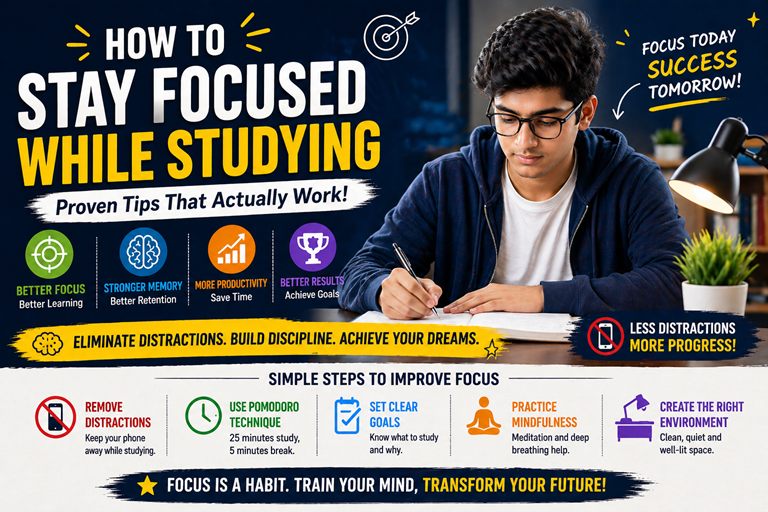
📘 Brief DescriptionStruggling to stay focused while studying? This guide shares practical and prove...